
Fabric Reference

Types of Fabric

Compare common fabric types by fiber, construction, structure, weight and use so you can understand why materials with similar names may behave very differently.

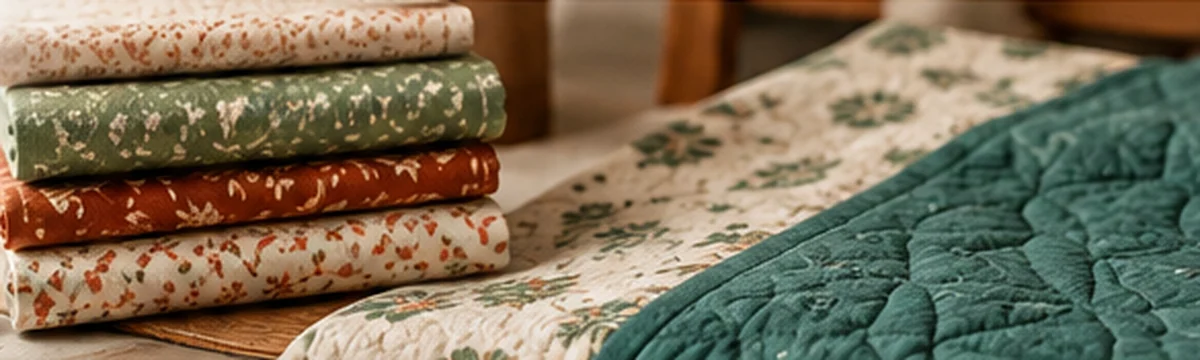
Assorted folded fabrics representing different fabric types
Fabric types at a glance

A fabric name can describe fiber, construction, structure or finish

Cotton and polyester name fibers. Woven and knit describe construction. Twill and satin describe woven structures. Velvet describes a pile surface. Knowing which layer a name refers to makes fabric comparisons much clearer.

1FiberWhat the yarn is made from
2ConstructionWoven, knit or nonwoven
3StructureTwill, satin, jersey, rib and more
4Finish & weightSurface, body, nap and handling
Fiber families

Start with what the fabric is made from

Fiber content influences moisture behavior, resilience, warmth, strength and care, but it does not tell you the complete fabric story.

Natural fibers

Cotton, linen, wool, silk

Fibers that come from plant or animal sources. Their feel and performance still depend on yarn, construction, weight and finishing.

Regenerated cellulosics

Rayon, viscose, modal, lyocell

Fibers made by processing cellulose into new filaments. Many are valued for softness and fluid drape, although behavior varies by fabric structure.

Synthetic fibers

Polyester, nylon, acrylic, elastane

Manufactured fibers used alone or in blends to add properties such as durability, low moisture absorption, resilience or stretch.

Construction families

Then identify how the textile is built

Warp + weft

Woven

Two yarn systems interlace at right angles. Wovens are commonly stable on straight grain and have more give on the bias.

Interconnected loops

Knit

Yarn loops connect in rows and columns. Many knits have more natural stretch and flexibility than comparable woven fabrics.

Bonded or felted fibers

Nonwoven

Fibers are joined without traditional weaving or knitting. Felt and many interfacing materials are familiar sewing examples.

Common names

24 common fabric types and where they fit

These names are not all the same kind of label. Some identify fibers, some constructions and some surface or structural categories.

Fiber

Cotton

Typical feel
Varies from crisp to soft
Common uses
Quilting, apparel, home sewing
Fiber

Linen

Typical feel
Crisp, breathable, textured
Common uses
Apparel, curtains, table linens
Fiber

Wool

Typical feel
Warm, resilient, variable
Common uses
Tailoring, coats, blankets
Fiber

Silk

Typical feel
Smooth to crisp, often lustrous
Common uses
Apparel, linings, special projects
Fiber

Rayon / viscose

Typical feel
Often soft and fluid
Common uses
Dresses, blouses, linings
Fiber

Polyester

Typical feel
Highly variable
Common uses
Apparel, curtains, upholstery blends
Fiber

Nylon

Typical feel
Smooth, strong, lightweight options
Common uses
Performance wear, bags, utility fabrics
Fiber blend

Elastane blends

Typical feel
Added stretch and recovery
Common uses
Fitted apparel, activewear, stretch denim
Woven fabric

Quilting cotton

Typical feel
Stable, medium-light, crisp
Common uses
Quilts, crafts, structured sewing
Woven fabric

Poplin

Typical feel
Smooth, firm, lightweight
Common uses
Shirts, dresses, light home sewing
Woven fabric

Canvas

Typical feel
Firm and durable
Common uses
Bags, slipcovers, utility projects
Twill woven

Denim

Typical feel
Durable with diagonal twill line
Common uses
Jeans, jackets, bags, upholstery accents
Woven structure

Twill

Typical feel
Diagonal surface, often durable
Common uses
Pants, workwear, décor
Woven structure

Satin

Typical feel
Smooth face with longer floats
Common uses
Apparel, linings, decorative sewing
Light woven

Chiffon

Typical feel
Sheer, light, fluid
Common uses
Overlays, scarves, occasion wear
Light woven

Organza

Typical feel
Sheer, crisp, structured
Common uses
Special-occasion layers, décor
Light woven

Voile

Typical feel
Soft, airy, semi-sheer
Common uses
Curtains, blouses, warm-weather sewing
Pile fabric

Velvet

Typical feel
Soft pile with directional nap
Common uses
Upholstery, curtains, apparel
Pile woven

Corduroy

Typical feel
Raised lengthwise ribs
Common uses
Pants, jackets, cushions
Knit fabric

Jersey

Typical feel
Flexible, often drapey
Common uses
T-shirts, dresses, casual apparel
Knit fabric

Rib knit

Typical feel
Elastic with vertical ribs
Common uses
Cuffs, bands, fitted garments
Double knit

Interlock

Typical feel
Smooth, stable, substantial
Common uses
Tops, dresses, baby clothing
Knit fabric

Fleece knit

Typical feel
Soft with brushed or raised surface
Common uses
Sweatshirts, casual wear, blankets
Nonwoven

Felt

Typical feel
Dense, does not fray like woven cloth
Common uses
Crafts, appliqué, accessories
Choose by project

Match fabric behavior to the job

A useful choice depends on more than fiber name. Consider stability, stretch, drape, weight, durability, direction and the finished use.

ProjectWhat to prioritizeCommon examples
QuiltingStable woven fabric, predictable grain, easy pressingQuilting cotton, cotton poplin
Everyday apparelDrape and stretch matched to the patternPoplin, linen, jersey, rayon
CurtainsDrape, opacity, width, weight and pattern directionLinen blends, voile, velvet, décor wovens
CushionsAbrasion resistance, stability and enough bodyCanvas, twill, upholstery fabric, velvet
UpholsteryDurability, suitable weight, stable backing and repeat planningUpholstery wovens, velvet, heavy twill
Fiber

Cotton, linen, wool, silk, rayon, polyester and other fibers influence comfort and performance.

Construction

Woven, knit and nonwoven structures affect stretch, stability, grain and edge behavior.

Surface

Pile, sheen, brushing, ribs and texture can change cutting direction and finished appearance.

Weight & drape

Light, medium and heavy fabrics can behave differently even when their fiber content matches.

What Are the Main Types of Fabric?

Fabric can be classified in several ways at the same time. A textile may be described by fiber content, by whether it is woven or knitted, by a structure such as twill or jersey, by weight, or by a surface treatment such as brushing or pile. This is why fabric names can overlap instead of fitting into one simple list.

Fiber Content vs. Fabric Construction

Fiber tells you what the yarn is made from. Cotton, linen, wool and silk are natural fibers; rayon and viscose are regenerated cellulosic fibers; polyester and nylon are synthetic fibers. Construction tells you how the textile is built. The same fiber can be woven or knitted, so cotton woven fabric and cotton jersey can behave very differently even though both contain cotton.

Woven, Knit and Nonwoven Fabric

Woven fabric is formed by interlacing warp and weft yarns. Knit fabric is formed from connected loops. Nonwoven fabric joins fibers by felting, bonding or another process rather than traditional weaving or knitting. For sewing projects, construction strongly affects stretch, stability, edge behavior, grain direction and cutting layout.

Common Woven Fabric Types

Common woven fabrics include quilting cotton, poplin, canvas, denim, twill, satin, chiffon, organza, voile, velvet and corduroy. Some of these names describe a weave structure, while others describe a recognizable fabric category created by a combination of structure, yarn, weight and finishing.

Common Knit Fabric Types

Jersey, rib knit, interlock, fleece knits and other double knits are common sewing materials. Knit construction often provides more natural give than woven construction, but the amount of stretch and recovery depends on the knit structure, yarn and fiber blend.

Fabric Weight, Drape and Stability

Two fabrics with the same fiber content can perform differently because weight and construction change body and movement. Lightweight voile may drape softly, medium quilting cotton is more stable, and heavy canvas has more body. Stretch, thickness, surface texture and finishing can be just as important as fiber when choosing material for a project.

Fabric Types for Quilting

Quilting commonly uses stable woven cotton because it cuts accurately, presses predictably and holds a consistent shape. Other fabrics can be used, but differences in stretch, weight and shrinkage may require extra planning when several materials are combined in one quilt.

Fabric Types for Upholstery and Cushions

Upholstery projects usually benefit from fabrics with enough strength, body and abrasion resistance for the intended use. Heavy woven textiles, upholstery velvet, canvas-like fabrics and durable twills are common choices. Pattern repeat, nap direction and usable width can materially change yardage.

Fabric Types for Curtains and Drapery

Curtain fabric can range from sheer voile to substantial velvet. Drape, opacity, width, weight, pattern repeat and whether a lining is needed all affect the final result. Directional pile or large repeats also influence how panels are cut and matched.

Why Fabric Type Changes Yardage

Fabric type can change whether pieces may be rotated, how much usable width remains after excluding edges, how repeat matching works and whether extra material is needed for nap or shrinkage. A yardage estimate should therefore use the actual fabric width and project orientation rather than relying on fiber name alone.

Types of Fabric FAQ

What are the basic fabric categories?

Three broad construction categories are woven, knit and nonwoven. Fabrics can also be grouped by fiber, weight, structure, surface and use.

Is cotton a fabric type or a fiber?

Cotton is a fiber. Cotton yarn can be woven or knitted into many different fabrics.

Is satin a fiber?

No. Satin describes a weave structure with relatively long floats. Satin fabrics can be made from different fibers.

What is the difference between woven and knit fabric?

Woven fabric interlaces warp and weft yarns, while knit fabric uses connected loops. The construction difference affects stretch, stability and edge behavior.

Which fabric is commonly used for quilting?

Stable woven quilting cotton is a common choice because it cuts and presses predictably. Other fabrics can work when their stretch, weight and shrinkage are considered.

What fabric is commonly used for upholstery?

Durable upholstery wovens, heavy twills, some canvas-like fabrics and upholstery velvet are common options. Suitability depends on the furniture and expected use.